


Different aspects of sustainability have emerged as essential cross-cutting issues particularly in the current retail environment, especially for grocery stores. There is nothing like embracing environmental conservation measures, not only is it helpful to the environment but customers who are aware of such measures will be attracted to the store. Below, we have outlined some of the best sustainable practices that grocery stores can adopt in a bid to create an eco-friendly environment and conform to a sustainable economy.
1. Buy in Bulk
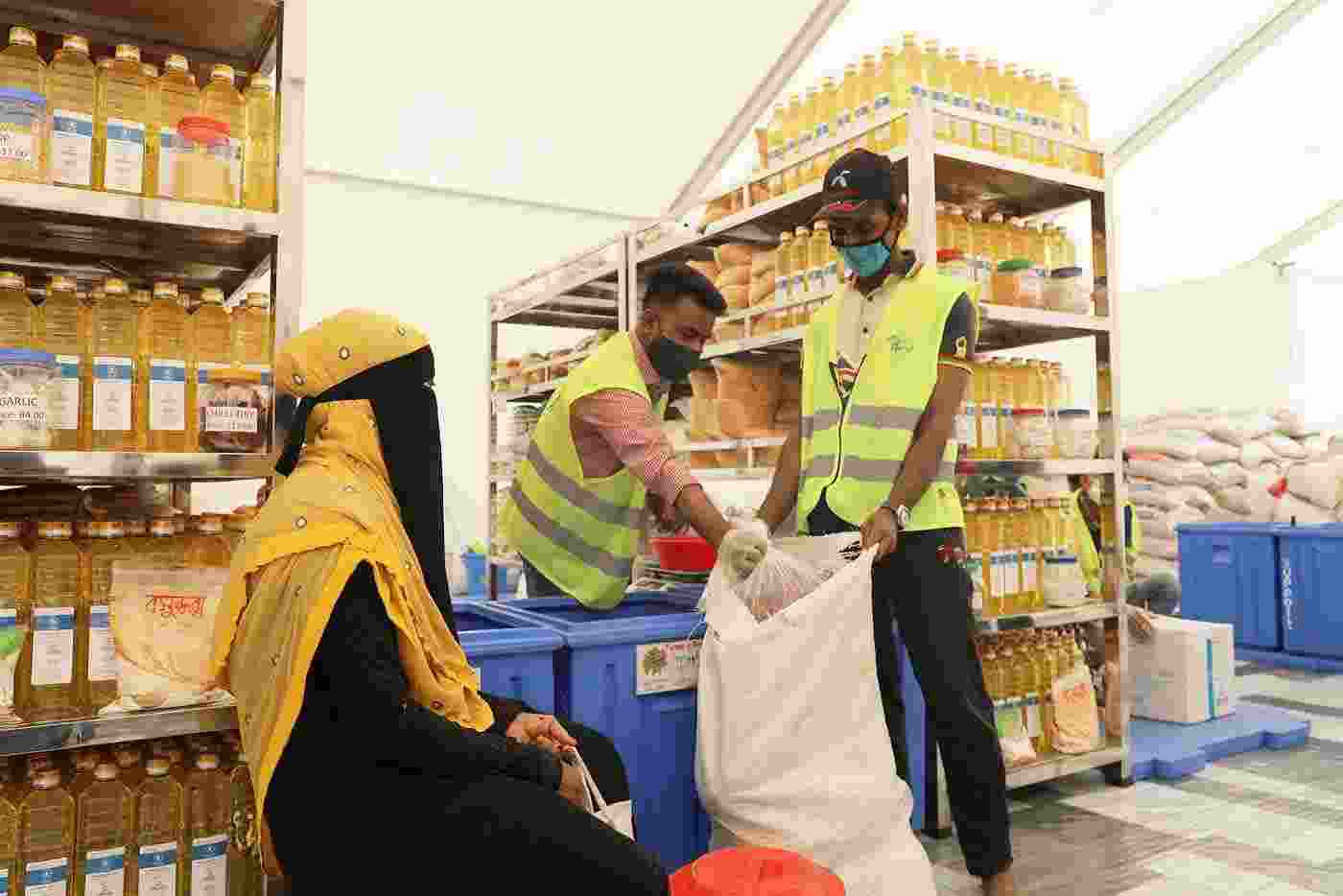
One of the easiest targets that grocery stores can set to minimize packaging waste and promote sustainable consumption is sourcing and selling merchandise in large quantities. Purchasing in large quantity reduces the chances of packaging which is most of the time discarded. In this environment consumers come with their own carriages to buy items that range from grains, spices, nuts, dried fruits among others. It also helps in product versatility since the buyer can purchase small quantities of the products that they require, and not necessarily large quantities of food that will go bad.
2. Promote Reusable Shopping Bags
Reusable bags, especially plastic bags, have been a thorn in the flesh as far as the environment is concerned because they do not decompose, and as a result, find their way into the already-full landfills and even oceans. Another aspect of the use of reusable bags is the discouragement of the use of single-use plastic bags in grocery stores. Some supermarkets encourage people by offering a small amount of money off the overall price in the event the customer brings their own bags or they sell bags that are made from sustainable material at the till.
3. Recycle Old Goods
Waste management is crucial for minimization of the amount of waste in the groceries through recycling programs. Providing bins for disposable items such as plastics, papers, glasses, and aluminum gives the customers an opportunity to dispose of their recyclable items properly. Stores also have the opportunity to reuse old and undeliverable stock, for example, products that have expired or packages with defects, thus reducing the amount of garbage that ends up in landfills
4. Provide Reusable Packaging
Reusable packaging is in the increasing trend than disposable ones due to the concerns with the environment. Retailers should promote the use of recyclable bags and containers for deli meats, cheese, and cooked food that can be taken back or can be used repeatedly. This helps to decrease plastic or paper packaging, which in turn helps the waste of the store to become lower.
5. Shop and Source Locally
Buying from farmers and producers within the geographical vicinity of grocery stores means reduced transport activities, hence less emission of greenhouse gases. Local sourcing will also facilitate the delivery of products to the shelves in other it takes a shorter time to transport goods hence fresh products that are environmentally friendly. Also, shopping locally supports the regional economy and brings more cooperation between shops, local farmers, and buyers, which creates a better supply chain.
6. Select New and Environmentally Friendly Products
The aim of the study is to determine whether fresh fruits, fresh vegetables, and unprocessed meat have low GWP and EP compared to processed food products. The availability of fresh, organically grown and locally sourced grocery items helps promote healthy eating habits and lowers the greenhouse gas emissions from processing and packaging of foods. Choosing foods produced by sustainable farming practices is also good for the soil, water and the overall ecosystem.
7. Eliminate Plastic Packaging
Another matter contributing to the situation that poses major concerns to sustainable living is the use of plastic packaging. It is observed that many grocery stores have started switching to more sustainable packaging solutions like biodegradable or compostable ones to decrease their plastic consumption. To reduce waste within stores, the option that can have the most significant impact is to remove plastic packaging from fresh produce, bakery products, or any other products. It is time to consider more environmentally friendly options such as paper, glass or metal packaging.
8. Ethical Sourcing and Corporate Social Responsibility
Ethical sourcing is the process of purchasing products, especially from developing nations with regard to issues concerning labor rights, animals, and the surroundings. Some examples include the Fairtrade certified products where specific conditions are put in place to ensure that workers are paid reasonable wages while at the same time ensuring that methods used to produce the products are environmentally friendly. CSR efforts also pressure grocery stores to make specific socio-environmental stances concerning matters like emissions, climate change, and community sustainability activities.

9. Increase Energy Efficiency
Elimination of energy wastage is critically important for grocery stores because illumination and refrigeration are used widely. Some easy steps such as replacing the old appliances with new efficient ones and switching to LED lighting can change the situation greatly. Energy-saving measures such as the use of motion-sensitive lighting in areas that are not frequently used and the regular servicing of refrigeration equipment are also possible. Further, through smart systems of managing energy, many stores are able to track careless usage and make changes when necessary.
10. Investigate in Renewable Energy Sources
The use of clean energy from sources like solar or wind power is also significantly advantageous in eradicating the carbon footprint of a grocery store. Another way through which renewable energy can be harnessed is through incorporating solar panels on a rooftop of a store, thus reducing the electricity bills. In some locations, stores are allowed to choose to participate in programs for the delivery of power from renewable sources that assist in making a more sustainable solution.
11. Improvement in the Handling and Storage of Foods
To avert cases of food spoilage, it is important to
ensure food is well handled and preserved in the right manner. Some best
practices that many grocery stores should adopt include FAC; stock rotation
where older stock in the store is sold before new stock arrives, proper
temperatures in fridges and freezers, and staff education on food handling
practices. According to the information provided about grocery stores and food
waste, less waste means cutting costs and minimizing the negative consequences
generated by food production and its removal.
12. Introduce Seasonal and Local Products
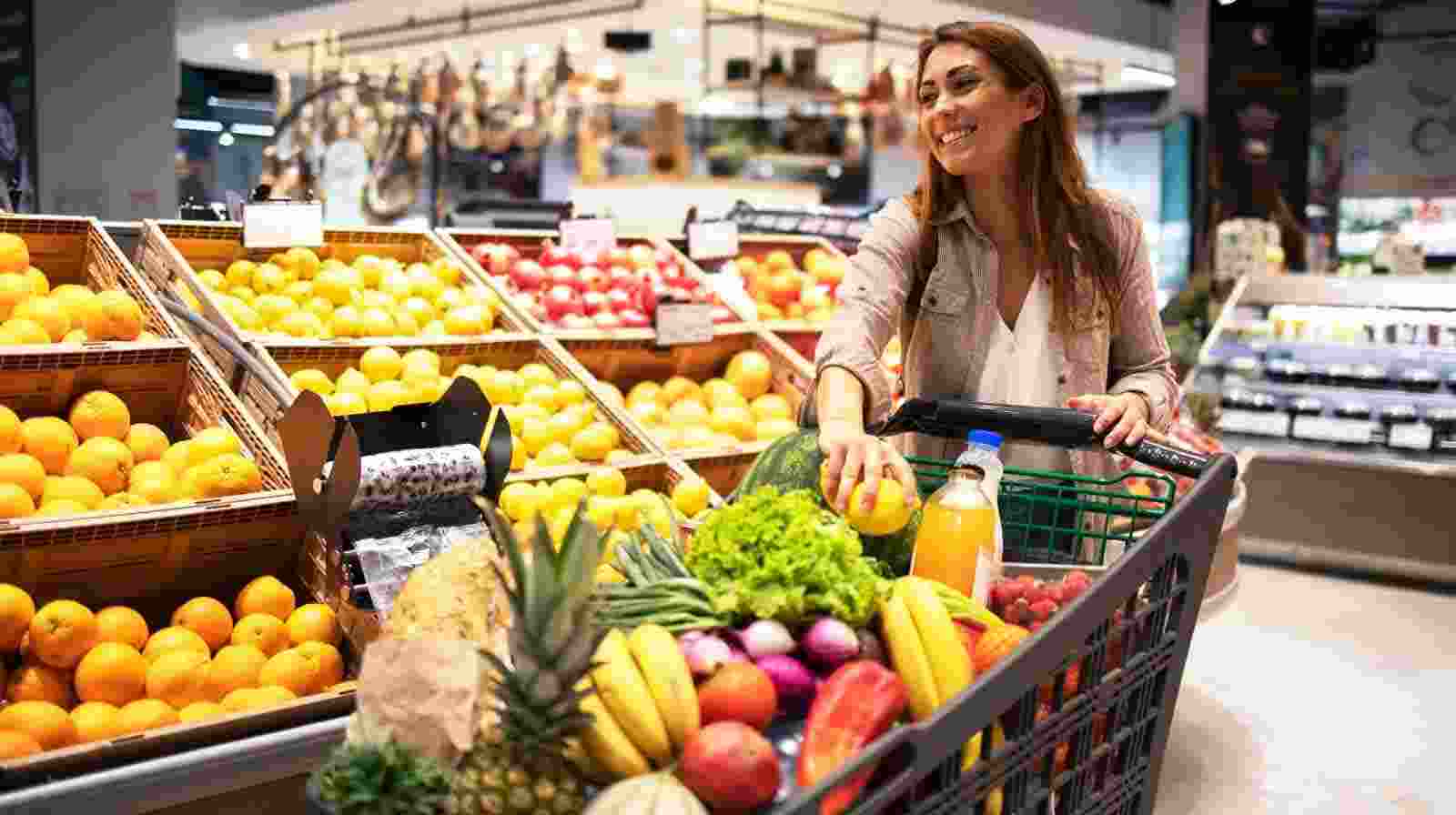
It is more sustainable to use seasonal produce because fruits and vegetables do not need much input, like energy for the growth of a greenhouse. To give an example, serving food items that are in season such as summer berries, stone fruits, and melons when they are available locally helps support the local farmers and also cuts down the environmental impact of importing foods that are not in season. Besides, this promotes the consumption of foods that are in season since this is natural and less harmful to the ecosystem.
13. Sell Expired or Near-Expiry Foods
Instead of throwing away products that are close to expiring, supermarkets can reduce their prices with the intention of making customers buy them. This cuts losses on food while at the same time ensuring the consumers pocket a few bucks less. Another good practice is donating unsaleable but still fit-for-consumption food products to food banks or other charity organizations.
14. Promote Organic Products
Various research studies have associated organic farming with advantages of environmental sustainability including low application of pesticides, maintenance of variety, and soil health. Through the sale of a diverse portfolio of organic food products, grocery stores can influence customer choices towards healthier foods besides supporting sustainable farming practices. Organic commodities are assumed to be of better quality, a factor that ensures that customers in the market embrace them in their consumption patterns in the market in a bid to avert the adverse impacts of chemicals and poisonous substances on their health and system.
Conclusion
Grocery stores have the capability of changing the
behavior of consumers and promoting sustainability. These sustainable
practices implemented by grocery stores bring positive effects not only for
the environment, but also for the company obtaining a more effectively
developed image, better customer retention, and improved business longevity.
As the consumer gets to be more conscious of these environmental issues in the
world today, the grocery stores that emphasize sustainable aspects will be
in a strategic position to dictate change toward a more sustainable future.


Previous Post


